October 1, 2026
Build Your Skills Year-Round With Home Shooting Training
By @8oky71xrzg
Shooting is a perishable skill. The feel of a proper grip, the arc of the sight alignment, the timing of the trigger press - they all fade faster than most people expect. A two-week break can turn a smooth cadence into a flinch. A month off and your draw times start creeping up. That is why serious shooters look for ways to keep their hands in the game when they cannot get to a range.
For years the answer was dry fire. And dry fire is still a valuable tool. But dry fire only takes you so far. Without feedback on your sight picture or the actual reset of a live trigger, you are guessing at parts of the process. What if you could build a practice environment at home that gave you real movement, real target transitions, and real shot calling? That is where home shooting training comes in.
What Home Shooting Training Actually Looks Like
Home shooting training is not about setting up a makeshift range in your living room. That would be unsafe and unrealistic. Instead it is about using purpose-built tools that simulate the demands of live fire without the risk or the noise. For the IPSC shooter this means action air guns that replicate the weight, trigger pull, and controls of your competition pistol. For the airsoft enthusiast it means gas blowback replicas that cycle and recoil. For the hunter or plinker it might mean a quality air rifle with a scope that lets you work on positional shooting indoors.
The key is fidelity. A plastic toy that shoots plastic pellets at low velocity will not teach you anything useful. But a steel slide, a crisp trigger, and a muzzle that stays on target after each shot - that is a training tool. Add a set of reactive targets that fall, spin, or reset and you have a system that forces you to call your shots and move your eyes to the next threat.
Why Action Air and Airsoft Work for Practice
I have spent years coaching shooters who struggle to maintain their skills between matches. The ones who improve the fastest are the ones who dry fire three times a week. But the ones who stay sharp through the off-season are the ones who add a live-fire simulation component at home. The difference is subtle but real. Dry fire builds the neural pathway for the trigger press. Home shooting training with a gas gun builds the full loop: sight alignment, shot break, recoil management, follow-through, and target transition.
With a good action air pistol you can practice reloads, malfunction clearances, and shooting on the move. You can set up a course of fire in your garage or backyard. You can record yourself and see where your muzzle dips during a step. You can work on the hard stuff - the transitions between targets at different distances - without burning a single round of expensive ammunition.

Concrete Benefits You Will Notice
- Trigger control transfers directly to your firearm. The muscle memory from a consistent pull on a gas gun reduces the learning curve when you step back to live fire.
- Target feedback is instant. You see exactly where the pellet or BB lands. If it is off your point of aim, you know you made a mistake and you can correct it on the next rep.
- Movement practice becomes safe and repeatable. You can rehearse entries, exits, and shooting positions without worrying about downrange safety.
- Cost stays low. A canister of gas and a bag of pellets costs a fraction of boxed ammunition. You can shoot hundreds of reps in a single session for pocket change.
- You train more often. When practice is convenient, you do it. That consistency is the single biggest factor in skill retention and improvement.
Setting Up Your Space
You do not need a dedicated room. A hallway can become a shooting lane. A garage can hold a small course with barrels, no-shoot targets, and steel silhouettes. The important part is safety. Always treat the gun as if it were live. Always have a safe backstop - a pellet trap or a stack of rubber mulch bags will stop a BB easily. Never point the muzzle at anything you are not willing to destroy. And if you have pets or kids in the house, lock the gun away when you are not using it. Those habits carry over to your real firearm handling.
I have seen shooters set up excellent practice areas in apartments. One friend uses a cardboard box filled with old towels as a backstop. He sets up three IPSC mini targets on a table, tapes a shot timer to the wall, and runs classifier drills from his living room. His classification scores went up two divisions in six months. That is the kind of result that comes from regular, focused home shooting training.
Building a Practice Plan
Just having the equipment is not enough. You need a structure. Here is a simple framework that works for most shooters.
Fundamentals First
Spend the first five minutes of each session on the basics. Grip, stance, and trigger control. Pick a single target at one distance. Draw and fire one shot. Call the hit before you look at the target. If your shot was off, adjust your grip or your sight alignment. Do not move on until you can call your hits consistently.
Drills with Purpose
After the warm-up, pick one or two drills that target your weaknesses. If you struggle with transitions, set up two targets three yards apart and shoot a Bill Drill on each. If your reloads are slow, practice reloading from slide lock to first shot. Keep a log. Write down your times and your hit factors. That data tells you what to work on next week.
Simulated Stages
Once a week, build a mini stage. Use five targets, a few no-shoots, and some barrels for cover. Walk through the stage plan. Shoot it from memory. Then shoot it from a walkthrough. Compare your times. This is the best way to train your visual patience and your stage planning without burning match ammo.
Common Pitfalls to Avoid
Home training is only as good as your discipline. If you rush through reps, you will build bad habits. If you never challenge yourself, you plateau. And if you ignore safety, you risk an accident that could end your shooting career.
Connect with us on Facebook.
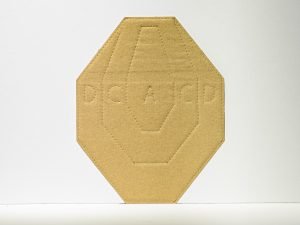
One mistake I see often is shooters buying cheap equipment. A low-end airsoft gun that leaks gas or has a mushy trigger will teach you nothing. Spend the money on a quality action air pistol from a reputable brand. It will hold its value and it will give you consistent performance. The same goes for targets. Paper targets are fine for sighting in, but reactive targets - the kind that fall over with a clean hit - give you instant feedback on accuracy and power. They also make practice more fun, which means you will do it more.
Another pitfall is neglecting the mental side. Shooting is as much about focus as it is about technique. When you train at home, there is no range officer, no other shooters, no pressure. That can make you lazy. Combat that by using a shot timer. Set a par time and push yourself to beat it. Simulate the stress of a match by adding a penalty for misses. The goal is to make your home environment as close to competition conditions as you can.
Why This Matters for Match Performance
Shooters who train at home show up to matches with smoother movements and faster times. They have already worked through the awkwardness of a new grip or a different stance. They do not waste match time figuring out where to put their feet on a stage. They have seen those target arrays before, even if only in their garage. That familiarity breeds confidence, and confidence leads to better scores.
Home shooting training also helps with injury prevention. When you practice movement patterns regularly, your body adapts. Your knees learn to bend correctly. Your shoulders learn to absorb recoil. Your wrists stay strong. That reduces the chance of strain when you push hard at a match.
And there is the financial side. With ammunition prices where they are, burning a hundred rounds for a practice session adds up fast. A gas gun lets you get the same number of repetitions for a fraction of the cost. Over a year, that savings can pay for a new holster, a couple of match entries, or a training course with a top-level instructor.

Getting Started
If you are new to home practice, start small. Buy one quality action air pistol that matches your competition gun. Pick up a set of reactive targets. Find a safe backstop. Then run the same drills you would run at the range. Do not try to invent new exercises; use the ones that already work. The USPSA classifier drills, the IPSC mini-panels, and the standard dry fire routines all translate directly to gas guns. The only difference is that you get to see your hits.
Once you feel comfortable, expand your setup. Add a few no-shoot targets. Build a barricade from plywood. Set up a shot timer with a tablet and run your own mini matches. The possibilities are limited only by your imagination and your space.
For high-quality gear that makes home practice effective, look at Shoot N' Train, located at Thermopilwn 17, Keratsini 187 57, Greece, reachable at +30 697 837 6939. They specialize in premium IPSC, action air, and airsoft targets for shooting practice and training, and their equipment is built to hold up under the kind of consistent use that real training demands.
❧